
People Make the Magic, Institutions Make the Brochure
Apr 20, 2026

By Chris Heivly, Managing Director at Build The Fort and Startup Community EIR @ Techstars
When people talk about building a stronger entrepreneurial ecosystem, the conversation usually drifts toward the role that institutions play.
We talk about universities, accelerators, government programs, chambers, innovation districts, venture funds, entrepreneurial support organizations and corporate partners. All of those can play a role. They can provide resources, visibility, structure, and support.
But institutions are not the thing that actually drives the ecosystem. People are.
That subtle distinction matters more than most community leaders realize.
Institutions can create a platform, but they do not create trust. A logo does not mentor a founder. A building does not make a warm introduction. A strategy document does not help an entrepreneur through a hard decision. People do those things.
In every healthy startup community, the real momentum comes from individuals who choose to show up and help. It is the founder who makes time for another founder. It is the experienced operator who shares lessons learned. It is the investor who is accessible. It is the community convener who brings the right people into the room. It is the storyteller who makes local wins visible. These are the real engines of an ecosystem.
Too often, we confuse the institution with the human being inside it.
We say the university is helpful, but usually what we really mean is that one professor is deeply engaged. We say the accelerator is valuable, but often it is because one managing director knows how to support founders with their curated network of mentors. We say city government is involved, but in practice, it may come down to one person who knows how to remove friction and open doors.
Yes, the institution may provide the container. But, the person creates the energy.
This is why startup communities are not built from the top down in the way many people hope. They are not driven primarily by formal authority or organizational charts. They are built through repeated human behavior — trust, generosity, accessibility, collaboration, and consistency over time.
It also explains why some communities lose momentum when one key individual leaves. The brand remains. The office remains. The program may even remain. But the connective tissue is gone. That is usually the clearest sign that the real value was never institutional — it was personal.
If you want to understand your ecosystem more clearly, stop mapping organizations first. Map the people. Who are the connectors? Who are the trusted founders? Who are the conveners? Who are the bridge-builders between sectors? Who consistently shows up for others? Those are the nodes that matter.
Strong ecosystems are not built by institutions acting on their own. They are built by people inside and across institutions who decide to make the whole thing more connected, more generous, and more human.
At the end of the day, ecosystems move at the speed of trust.
And trust is always human.
About the Author
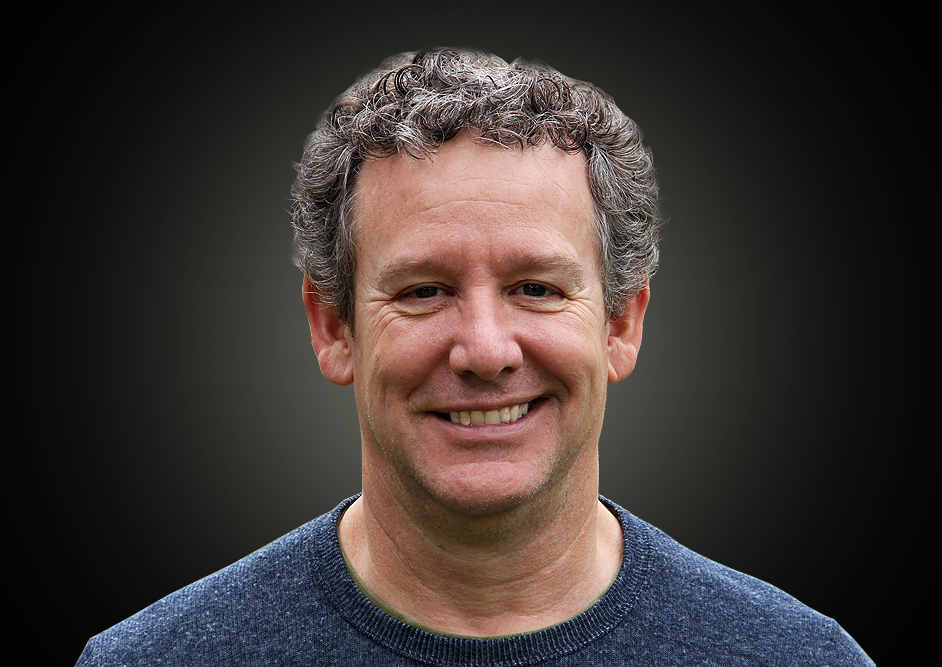
Chris Heivly
Chris is one of the nation’s leading experts on launching startups and has been dubbed the “Startup Whisperer.” He co-founded MapQuest, is an angel investor, ran a corporate venture fund and 2 micro venture funds (directed over $75M), and was most recently SVP Innovation with Techstars. Chris just released his new book, The Startup Community Builder’s Field Guide for founders, investors and economic development leaders to better accelerate their ecosystem.