Founders Already Voted: The Other Side of the Accelerator Debate
November 12, 2026
By Ann Oleson, CMO at Techstars
Sramana Mitra argues that big accelerators chase portfolio volume and leave founders stranded. Techstars CMO Ann Oleson responds with evidence from founders themselves. More than 2,000 founders helped put Techstars No. 1 on TIME and Statista’s America’s Best Incubators & Accelerators of 2026. Add a 12.3% exit rate and 64% of companies still operating.
Sramana Mitra published a sharp piece this week, The Accelerator Mirage and the Economics of Startup Survival. Her argument: big accelerators optimize for portfolio volume, founders get pulled onto the venture treadmill, and too many companies end up as zombies.
It’s a fair challenge, and I want to answer it personally. I’ve been a founder: I built a company that made the Inc. 5000 list of America’s fastest-growing companies three times, then had a successful exit. I’ve been a mentor in the Techstars NYC program. Now, as Techstars’ CMO, I hear founder stories every single day.
That’s why I feel so convicted about this. Done right, an accelerator doesn’t push founders through a funnel. It invests in them.
Where She’s Right
Let’s start with agreement, because there’s a lot of it. Founders should validate with real customers before building too much. They should chase revenue early, guard their capital and understand exactly what dilution costs them.
Demo Day applause is not a business model. Neither is the next round. I couldn’t agree more.
Where I part ways is the conclusion. The best accelerators aren’t the opposite of those fundamentals. They’re where founders get pushed hardest on them.
Founders Already Voted
In August, TIME and Statista named Techstars No. 1 on America’s Best Incubators & Accelerators of 2026, out of 80 programs evaluated.
Here’s the part that matters for this debate: founders drove 85% of the score. The ranking drew on feedback from more than 2,000 founders who went through accelerator and incubator programs between 2020 and 2025.
That’s not prestige or portfolio size talking. It’s the exact people Sramana is worried about, telling us whether the experience actually helped them build. They said yes, louder for Techstars than for anyone else.
The Numbers
As of September 30, 2026, 635 of the 5,170 companies that have gone through a Techstars accelerator have exited, an exit rate of 12.3%. The article’s figures for Techstars (about 4,600 deals, 402 exits) don’t match our records. Exit counts for other programs vary widely depending on who is tracking them, so we’re sharing our own numbers rather than ranking ourselves against figures we can’t verify.
And on the zombie question: 3,311 of our 5,170 companies, or 64%, are still operating today.
Sramana is right that exits alone don’t prove financial returns. But they’re a strong signal that these companies built something real enough for someone to buy.
Techstars figures: Techstars Marketing Tearsheet as of September 30, 2026. Exit rate = exits ÷ companies.
We Invest in Founders, Not Just Companies
At Techstars, we invest in founders with money, resources and time. Yes, we invest up to $220,000 per company. Honestly, the check is the smallest part of it.
- Mentors who push on fundamentals. 690 mentors worked with our programs in the last 12 months, many of them operators who will ask about your margins long before your next round.
- A Give First network. More than 11,000 founders, in a network built on helping each other with customers, hires and hard decisions, long after the 13 weeks end.
- Proof that it compounds. 22 Techstars portfolio companies made the 2026 Inc. 5000, a list built on revenue growth, not valuations.
None of that shows up in a portfolio count, but I watch it happen every day. Take Nukleas, from our spring 2026 Techstars Anywhere class. Connor O’Day and Griffin Mathews are building operational infrastructure for government contractors.
I was one of their mentors, and I had a front-row seat as our mentor team drove major results. Introductions turned into clients. We helped them understand the government policies that shape their market. And we recommended advisory board members to round out the team. That’s what investing in founders looks like.
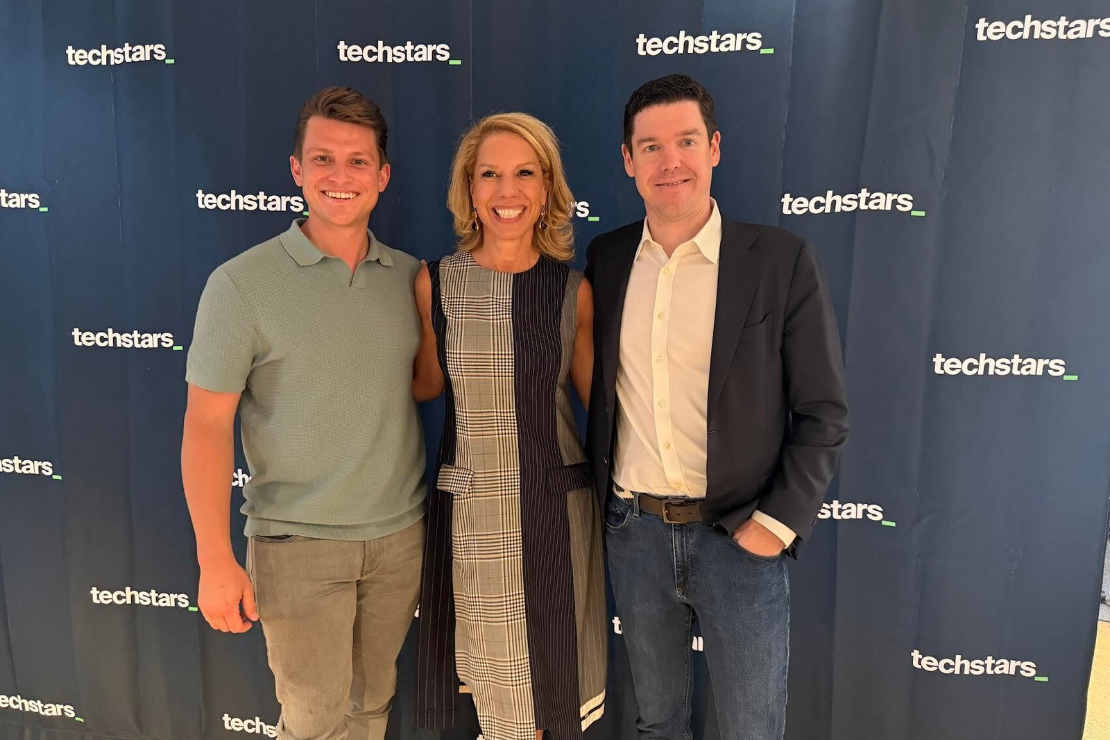
Left to right: Griffin Mathews, me and Connor O’Day of Nukleas.
Judge Us by Founders
Sramana asks the right question: does an accelerator help founders build businesses that last? I’d just answer it with evidence. Founders drove our No. 1 ranking, our exit rate is among the highest of the major accelerators, and nearly two-thirds of our companies are still building.
Want a true read on what this looks like from the inside? Pick up "Chasing Unicorns." David Cohen and Amir Hegazi interviewed the founders behind 13 Techstars unicorns about the decisions that actually got them there. It’s their stories, in their words.
And if you’re a founder weighing the decision, talk to alumni, ask about customers and margins, and pick the program that makes you better at both. Applications for our spring accelerators are open until November 18.
Sources
- Sramana Mitra, The Accelerator Mirage and the Economics of Startup Survival, One Million by One Million, November 11, 2026
- Chasing Unicorns: The Playbook Behind Techstars’ Billion-Dollar Startups, techstars.com
- Techstars Is No. 1 on TIME and Statista’s 2026 Accelerator List, techstars.com
- Techstars Update: August 2026, techstars.com
- Why 60% to 80% of Accelerators Fail Founders, techstars.com
- Techstars Marketing Tearsheet as of September 30, 2026


