
How to Hack Density Without Building a $4M Innovation Hub
Dec 29, 2025
By Chris Heivly, Managing Director at Build The Fort and Startup Community EIR @ Techstars
Over the past few months, I’ve had the chance to talk with a handful of political and economic development leaders in my new hometown, Moore County, North Carolina. Located about an hour south of Raleigh, with a population of around 110,000, it's a place known more for its golf courses and access to Fort Bragg than for startups. So it’s no surprise that one of the first questions I get is, “Can we really have a startup community here?”
It’s a fair question. And my answer that I share with these leaders comes in the form of another question: “Can we form a critical mass of current and future high-growth founders — and get them centered in some way?”
In other words, can we create density?
I previously shared my unscientific but loaded with experience equation regarding how many potential founders there are in a city/region — somewhere around .5% of a driveable population. For Moore County, that means 550 high-tech/high-growth current and future founders. We can work with that.
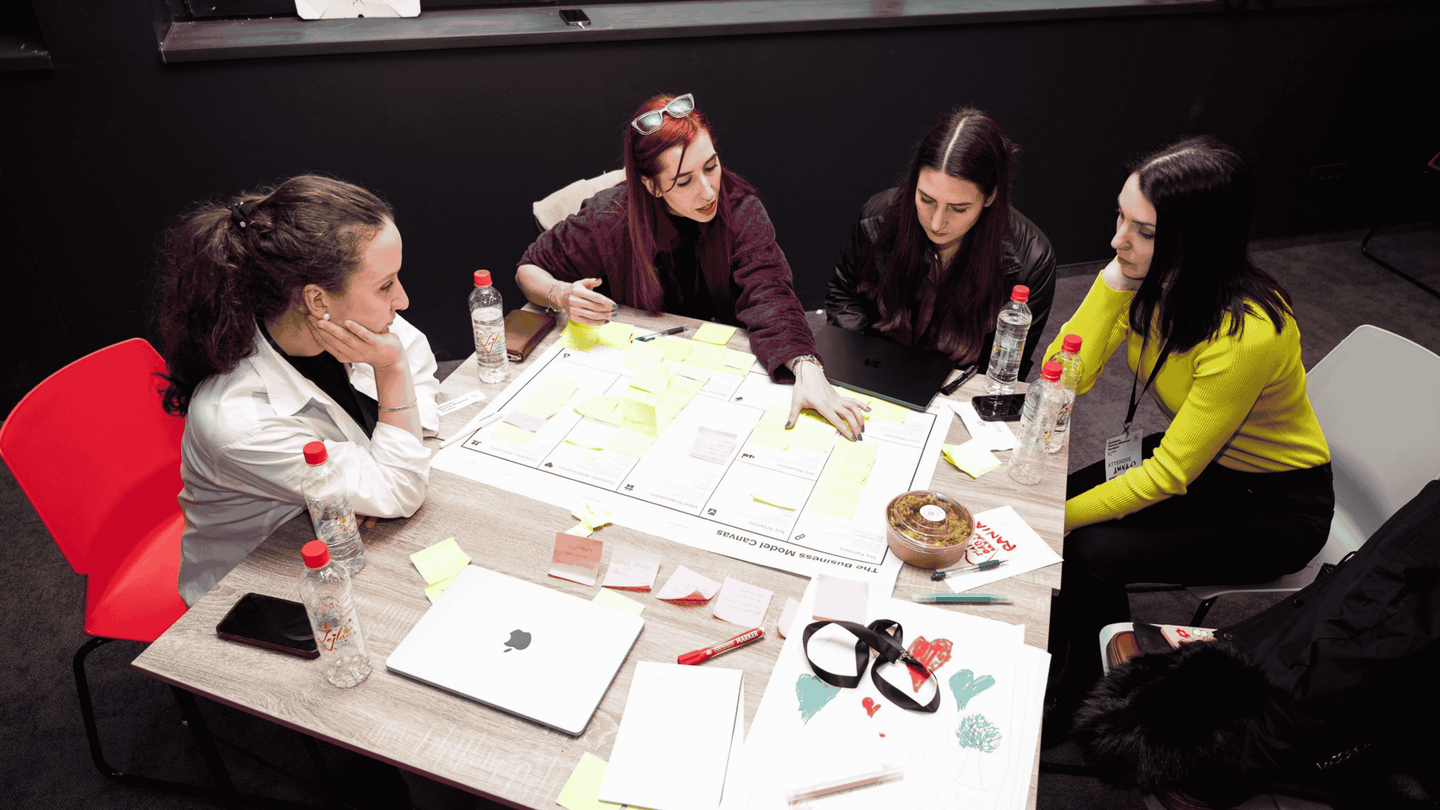
When we talk about startup community density, we're not talking about population numbers per se. We’re talking about people — specifically, founders. And not just any founders, but high-growth, all-in entrepreneurs. Density in this context means having a concentration of these folks in a way that encourages regular collisions, collaboration, and shared energy.
Density gives a startup community a heartbeat. It’s what enables serendipitous collisions. It’s how one founder overhears another talking about a product launch and jumps in with a connection to a beta customer. It’s how mentors, investors, and service providers know where to show up and create founder value.
This is what separates vibrant startup communities from dormant ones. It’s less about having a big city brand or a fancy entrepreneur hub and more about how many people are in the same place, at the same time, working on similar dreams.
Our job is to create the conditions where density can emerge and thrive.
Here are a few ways to do that:
1. Provide a central gathering spot.
No, it doesn’t need to be a million-dollar innovation hub. Sometimes, it’s as simple as hosting regular meetups at a coffee shop, pizza joint or brewery. If you can offer a low-barrier, recurring gathering space, you’ve already started building density.
2. Elevate the founders.
Stop chasing unicorns or big corporate wins. Focus on the early-stage builders. Celebrate them. Help them. Tell their stories. Let their momentum become contagious.
3. Make connections.
Introduce founders to each other. Open your network and encourage them to do the same. “Give first” is the unofficial motto of every healthy startup community for a reason.
4. Be patient.
You don’t grow density overnight. It’s about playing the long game. Think in years, not weeks.
So, can Moore County have a startup community? Absolutely, but it depends on creating these conditions for density.
Here’s what I believe: Moore County (or Fargo, Waco, and Allentown) doesn’t need to be Silicon Valley or even Raleigh-Durham. But with some intentionality, it can be a place where entrepreneurs feel supported, seen, and surrounded by peers. And that’s the spark that leads to momentum.
You don’t need hundreds to start. You just need a handful of founders who are serious — and a few leaders willing to invest in making it easier for them to find each other.
And that’s something any community — even one of 110,000 — can build.
Learn more about Techstars Startup Community partnerships, a new way for you to build your thriving startup community as a member of the Techstars network.
About the Author
Chris Heivly
Chris is one of the nation’s leading experts on launching startups and has been dubbed the “Startup Whisperer.” He co-founded MapQuest, is an angel investor, ran a corporate venture fund and 2 micro venture funds (directed over $75M), and was most recently SVP Innovation with Techstars. Chris just released his new book, The Startup Community Builder’s Field Guide for founders, investors and economic development leaders to better accelerate their ecosystem.